Gift-With-Purchase Series that makes a set, can it be done?

Gift-with-purchase is a common sales tactic used by brands to entice buyers to purchase their products. Generally, the gift is exclusive and limited, offered only during the promotion for a limited period or “while stocks last.” This creates a sense of urgency and exclusivity of the special offer, while instilling ‘fear-of-missing-out’ or also known as FOMO.

I remember my first toy from the cereal box, it was a diecast toy car, and it made me want to eat more to get to the next toy. Since then, I’ve always had good experiences with gifts with purchases, even if they are mystery gifts that surprise me. 

Benefits of Gift-With-Purchase

1. Boost sales

Customers feel more value in their purchase, and getting that cooler bag with the purchase can quickly “seal the deal.” We all want to make better economic decisions, more so during times when the economy is looking gloomy.

If the gift is attractive, like an exciting toy that the kid wants to own, this can trigger the micro-moments for impulse buying. 

2. Upsell

If customers generally buy 1 unit of your product, providing a unique mug for a twin-pack can encourage them to buy 2. Bundling for lower-valued products allows the brand to give a high-valued gift while increasing the sales quantum.

3. Adds brand value

Instead of giving discounts, which may lower your products’ worth, a gift-with-purchase provides better value for money, while a gift adds perceived value.

For luxury brands, it is essential not to give deep discounts to attract sales. This will be deemed as they have “cheapened” their brand while having a gift-with-purchase to entice sales works on the contrary and increases the brand value instead.

4. Helps with branding

Giving out that free Milo mug with a big Milo logo can also help with branding and build brand loyalty. A valuable and useful gift-with-purchase can enhance your brand experience, and they will likely respond with loyalty.

Many companies have used gift-with-purchase to some extent and have seen results. However, most gift-with-purchase promotions are just one-off and do not encourage the customer to look forward to buying more. Thus, marketers have come up with gift-with-purchase series to address this and to build stronger brand loyalty.
Gift-With-Purchase Series

Like movie trilogies, gift-with-purchase made into a series can tell a compelling story for customers to look forward to the next gift release. 

Suppose your brand can create a collection of gift-with-purchase, comprising of 3 items that can work independently. If they can be combined and used together as a set, the gift-with-purchase series can encourage repeat purchase for people who want to get the collection.

An example would be McDonald’s limited edition Hello Kitty toy series, which created long queues islandwide in Singapore.  

Why Is There Not Many Gift-With-Purchase Series In The Market?

Traditionally, companies do gift-with-purchases seasonally — usually done once a holiday, following a theme. 

Doing a gift-with-purchase series would also mean an extended campaign, which will require continuous engagement to make it successful. Giving a good gift-with-purchase is already not easy, and having a series that can work together would make it harder. 

Important Considerations

1. Pick the gifts wisely

How does the gift-with-purchases compliment your products? Is it enticing to your customers? Will your audience actually use it? Knowing your audience can help you pick better gifts.

2. Provide value

Even if it is a gift, make sure it is something of value your customers will want. For example, a packet of tissues cost next to nothing, and if you give it free with a twin pack of flu medicine, it could detract from the actual value of the product. However, if you give away a well-made travel pill container, it adds more value and can be an incentive for purchase consideration.

3. Provide utility

Make sure the gift-with-purchase is something useful. Think of relevant gifts for your product and not just be concerned with the budget. Cooler bags to go with a multipack beverage is a good start.

4. Make promotions details clear

If the products don’t come in a bundle, make sure that the gift-with-purchase and ways to redeem the gift is clear and transparent. If customers don’t know about it and find out about it later, they will not be happy. 

Create a detailed list of any exclusions or exceptions, and include information on how they will receive the gift, whether they get the gift at checkout or delivered to them when products and gifts are not in sets. 

5. Stock up enough gifts for the promotion

You don’t need too much stock; having limited quantities gives the customers a sense of urgency.

Even when you put the gifts as “while stocks last,” make sure that there is enough stock to last the promotion. Poor logistics and planning will tarnish the company image, and if you expect sales to increase due to gift-with-purchase, having the gifts run out before the end of the first day may make your customers frustrated. 

6. Market the promotion

Many companies run gift-with-purchase without promoting the deal. So the people who are getting these gifts are already buying the products anyway. 

To have the most impact, promote the gift-with-purchase like any sales or events, and share it on your social media to make sure your audience knows about it and entice them to look out for your products.


Interested to find out more, please feel free to contact us for a no obligation chat. Send us an email at email@visibility.com.sg and leave your contact information and Visibility Design will get back to you as soon as we can.


How do festive visual merchandising and packaging help brands?

When it comes to festive visual merchandising, many stores in the US were pioneers. People look forward to the windows display of many stores in New York City during Christmas. 

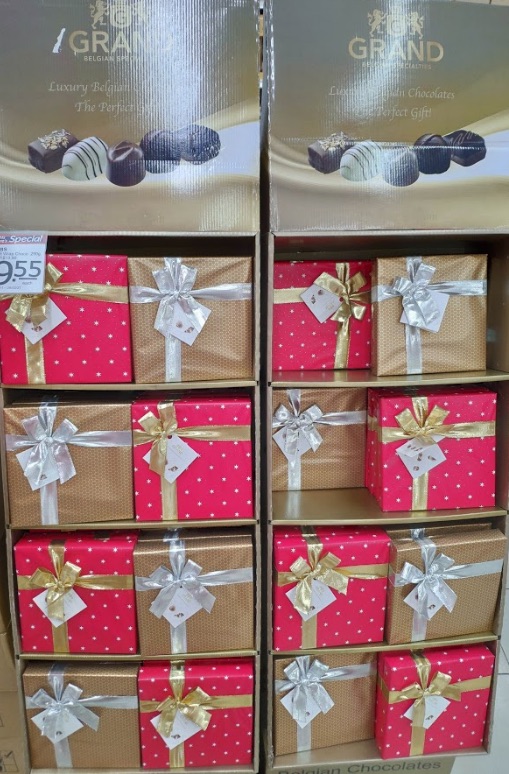
Increasingly, many other retail stores and supermarkets around the world have stepped up their game during the festive seasons. These stores also have a holiday section where products with festive packaging or seasonal products. 

These retail stores curate products and often try to bring a consistent message with visual merchandising. Having a special festive shelf set up and the right technologies to maximize visual impact on the floor displays can keep your overall branding consistent across all channels. In supermarkets, some brands even have festive bundles to make it convenient to buy everything you need for the season.

In short, festive visual merchandising and packaging impact your brand, but there will be other considerations you have to note.

The basics of holiday packaging

Holiday packaging and visual merchandising depend on the type of products you are selling. Here are some considerations you should have: 

  • What is your budget for custom packaging?
  • How much can you spend per unit?
  • Would you like a simple external box with your design (bundle) or a completely different design?
  • Do you want to do bundles or gift with purchase?
festive ribbons and wrapping

The cost of printing a smaller run for packaging may be more if you are doing a smaller print run for the festive season. So you need to consider and have a budget.

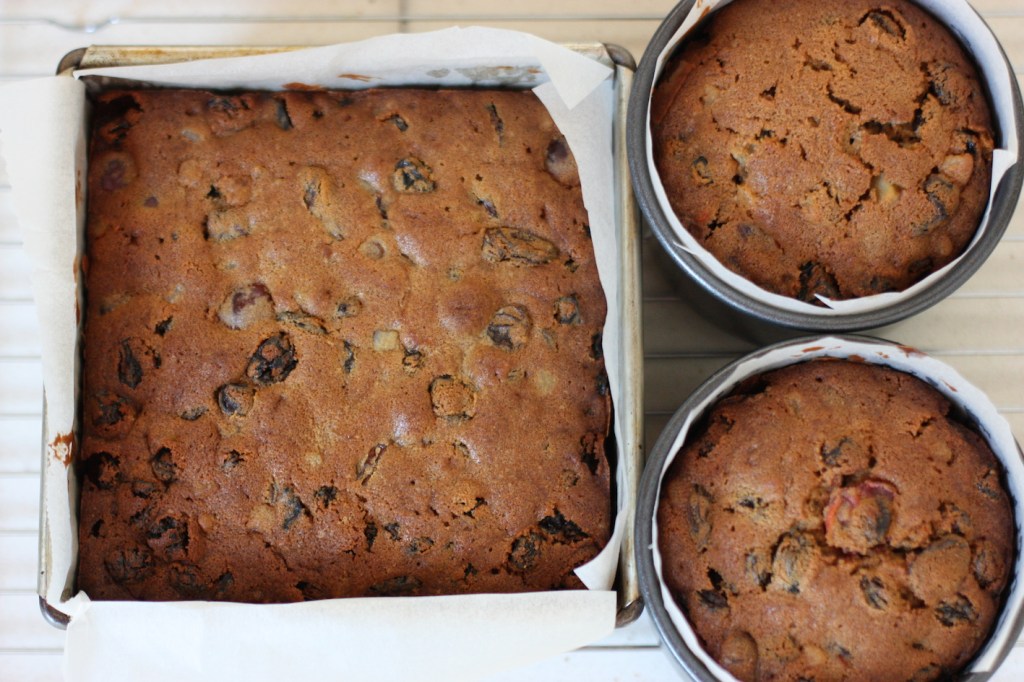
Christmas Cake
Christmas Cake

When shopping for the holidays, many brands bundle products like brandy with baking ingredients for Christmas cakes together for the convenience of customers.

For Asia, the Chinese New Year is significant as well. Festive packaging will need to go with Festive campaigns, which will include your different communication channels, webpage, social media, Visual Merchandising, and online store to have a consistent message. 

Chinese New Year is a season where families get together to feast, and it is one of the biggest retail periods for supermarkets. Supermarkets will be cluttered with products, and seasonal buys.

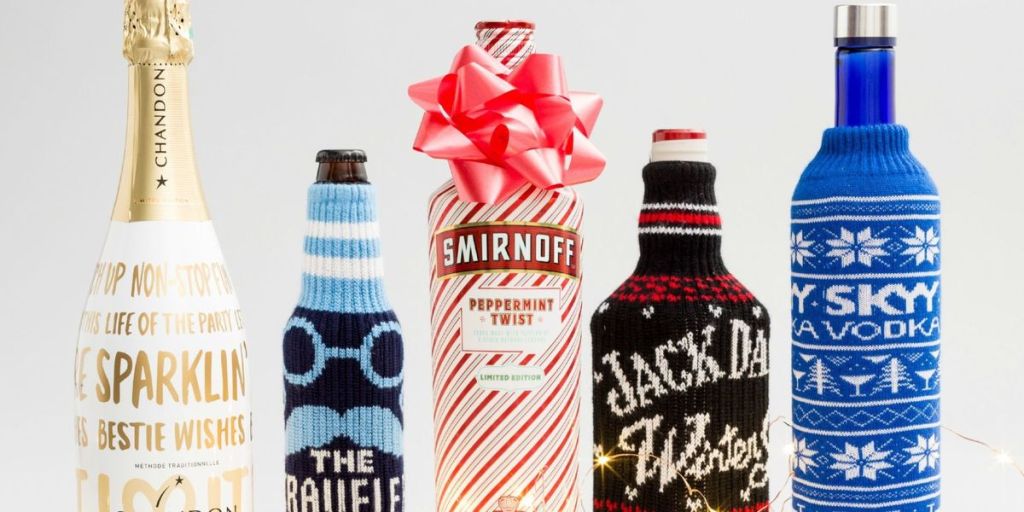
Festive Alcohol Packaging

Why do brands have festive packaging and visual merchandising?

1. Your product stands out in a mixed retail environment like a supermarket or retail store. 

During the holidays, your customers will shop and spend. This can be a stressful time as they have to buy gifts and still shop for their necessities. There can also be a seasonal crowd to make things worse.

All shoppers want is convenience. Remember, anything can be a gift or gag gift. And if it has festive packaging, no other packaging or gift wrapping is required!

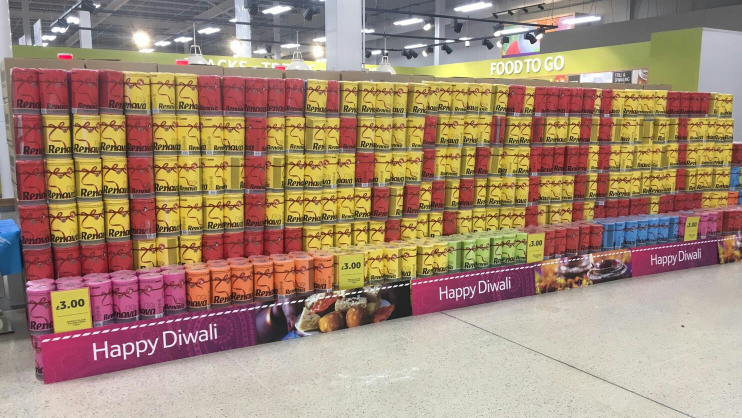
Diwali Festive Visual Merchandising

2. It makes your products more visible and attractive.

Visual merchandising and packaging are all about making the product look interesting enough to pick it up. Most consumers will agree that one of the most critical factors for them to notice a product is its packaging. 

This is more important when your products are in a retail environment with other brands, and you need to give your customers reasons to pick up yours over the competitors. Having festive packaging gives you an added advantage, especially when they are in a store surrounded by festive decorations.

San Remo Festive bundle

3. Having a festive brand story helps with brand recall.

Seasonal marketing informs potential customers that you are deserving that second look. Along with festive visual merchandising and your online presence, your customers can build a relationship with your brand and not just be interested in your product. 

A festive packaging design makes for compelling visual content that stands out on a feed. The holiday design can also draw attention to your brand elements and logo, building brand recognition in consumers. 

So why not engage your customers while showing how your brand celebrates the season?

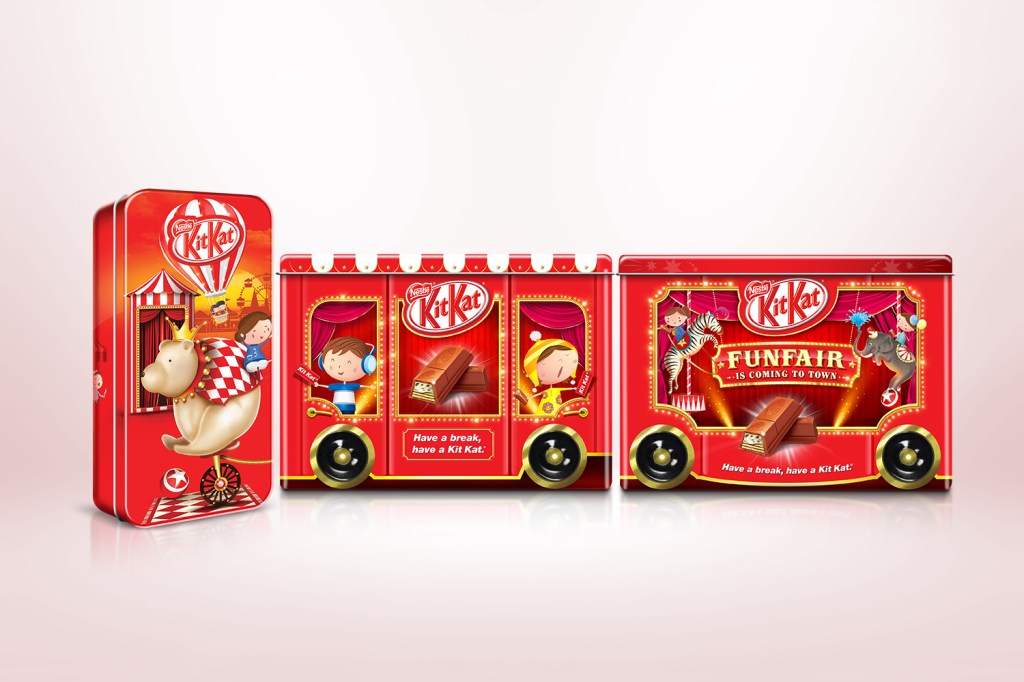
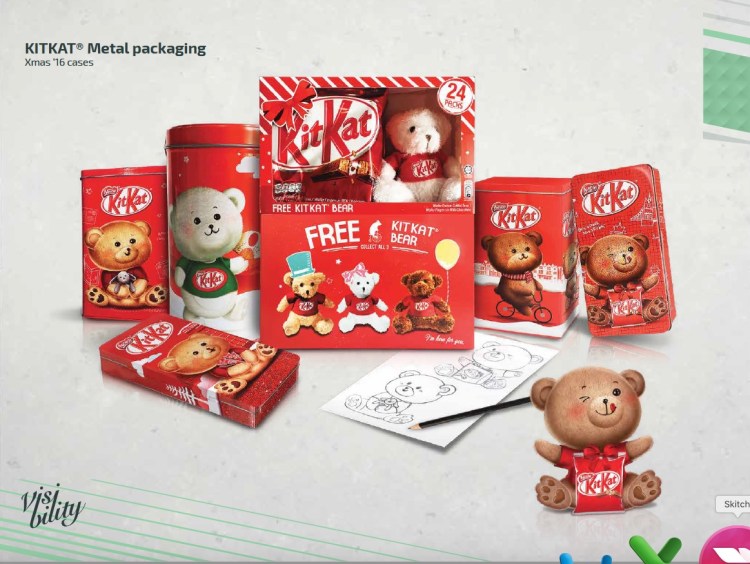
KitKat Festive Xmas Packaging

Holiday packaging – Some Quick Tips

Printed Boxes

One of the simple ways to create festive packaging is with cardboard boxes — thinner ones for retail and thicker online shipping ones. 

A good strategy is to have a bundle in a holiday-themed box. This can be great for gifts, and customers may perceive it is as “perfect for the occasion.” 

For online, having a printed holiday-themed box when you mail it out can save your customer the need to wrap the gift — added convenience, and it also makes a good photo for social sharing.

Custom tissue paper and other packaging materials

This helps with the unboxing experience and make the product more memorable as a gift. This can allow you to add brand elements in the packaging material to build more brand affinity.

Custom labels, stickers, tape, ribbons, or tags

Sometimes, you do not need to go all the way to get a new box for your festive product packaging. When done well, custom labels, stickers, tapes, and tags can make your products look festive. It is all about the design.

Handwritten notes

Putting thank-you notes inside your packages is excellent practice at any time of year, but it’s especially appropriate during the holidays. If your product is bespoke or handmade, this makes receiving an order much more personal. You can show that the work is put together and packaged with love.

Printed Bags 

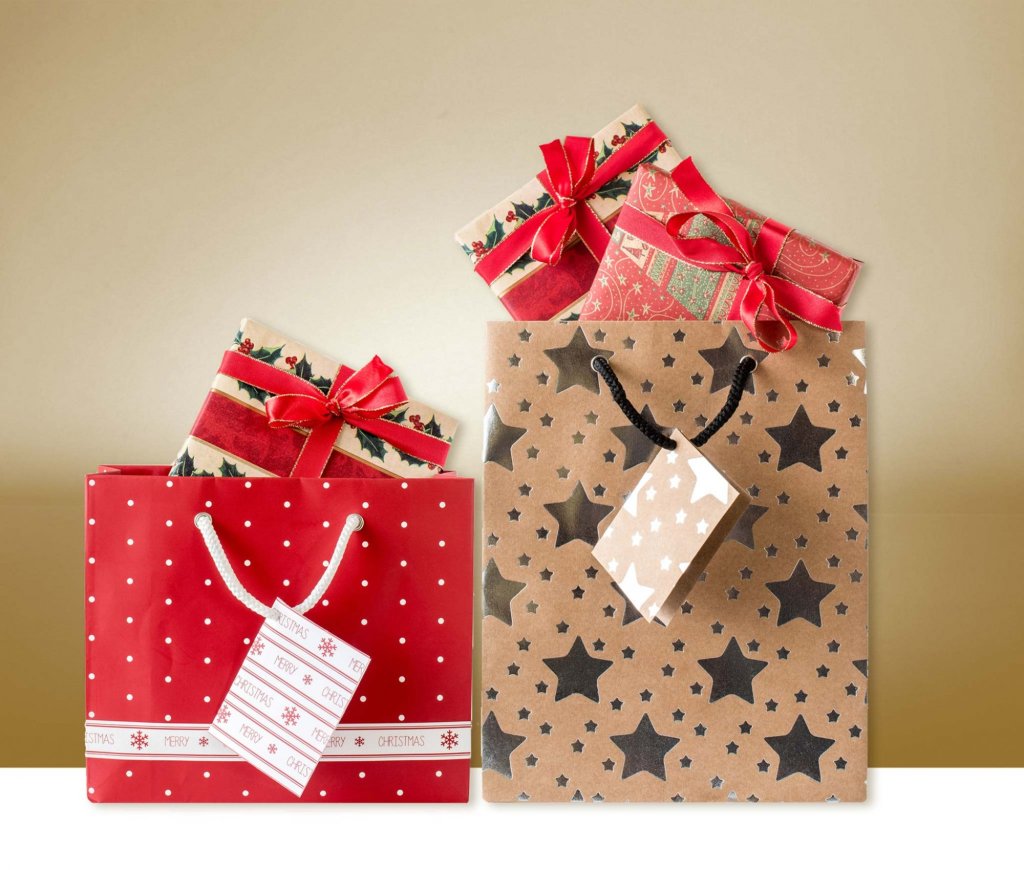
festive bags
festive bags

These days, shoppers want to be sustainable and eco-friendly. When you provide a reusable tote bag with your seasonal branding, the subtle change in your regular packaging will impress your customers.

Your customers can reuse the bag for their other shopping needs, which will help extend and promote your brand. 

Festive visual merchandising and packaging need not be expensive, and a little more thoughts can go a long way. During the festive season, Christmas and Chinese New Year, many brands make most of their sales. When done well, it will bring in a lot of returns. 

So start planning! The holidays are around the corner; keep your brand in mind and choose the festive packaging that aligns with them.


Interested to find out more, please feel free to contact us for a no-obligation chat. Send us an email at email@visibility.com.sg and leave your contact information and Visibility Design will get back to you as soon as we can.
Current Practice of Market to Seniors

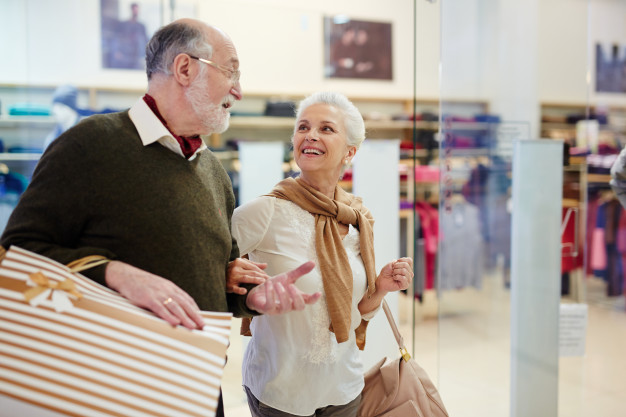
Seniors shoppingde

Even when your products do not target the senior demographic specifically, there is a chance that seniors do make a significant portion of your customers.

As discussed, seniors are becoming a significant segment; they have a lot of buying power and spend more on non-essentials and hobbies. 

So even when companies do not make products specifically for seniors, many are starting to market to seniors to attract them to buy products as gifts for others. 

Let’s talk about marketing products to different groups of seniors.

1) Pre-retirees: (Aged: 50-65)

  • These are groups of people who are planning for retirement and are making retirement plans. Some slightly younger couples with older spouses may also be preparing for retirement are in this group.

Pre-retirees is a demographic that many luxury brands try to attract. Some are couples with older spouses, and increasingly, some may be older (up to 70 years old) and still earning and accumulating wealth.

Traditionally, the finance sector is the ones who focus a lot on this segment with their private banking. This segment has a lot of different custom financial products made for them. Initially, I had the impression that many of these financial institutions only target the rich. From conversations with many friends above the age of 50, I realize a huge range of products is offered to all income levels. 

Motorcycles may seem to be something for young people to own. Still, in many countries, the flagship motorcycles are often too expensive for younger people to buy, and the main customers are people above the age of 45.

If your company makes luxury and premium products, the pre-retirees will be a significant segment. The well-funded ones have a lot of purchasing power as their homes are fully paid, and their kids have finished education. 

Even for the underfunded and still working seniors in Singapore, a large proportion of them has already owned their homes. With active income and financial stability, they can afford more than others in the same income bracket.

Many pre-retirees also do not spend such long hours working. Those in more senior positions have more flexibility. For F&B businesses, the seniors segment can be a missed opportunity if you do not target them to come to your premises during off-peak hours. 

2) Grandparents: (Aged: 50+)

  • Grandparents and older relatives fall into this group as they are also buying things in other segments as gifts.

The holidays are coming, and grandparents are a great source of fantastic gifts for many kids today. Older relatives without kids often enjoy shopping and buying gifts. 

Grandparents are willing to spend a lot on gifts. For example, my mother, who spends very little on food, can drop $100 on a gift for her grandchildren. 

Even when traveling, gifts are significant considerations that older relatives will buy. When I go to the outlet stores to shop, I realize that a third of my purchases are for my niece and nephew.

In supermarkets, I observed that parents would buy gift-with-purchase if the kids shopping with them want the toy. However, the grandparents would buy the product because the toy may look like something their grandchildren would like.

3) Active Retirees: (Aged: 65+)

  • This segment of seniors no longer receives an active income. Their money comes from savings, assets, pensions, or allowance from their children.

Unlike the pre-retirees, this segment tends to be a little more conservative in terms of spending. However, for smaller ticket items, they would still spend. 

This segment has significantly more time, and if the price is right, they do spend when meeting friends. 

Fully retired seniors are drawing only from the combination of savings and assets. However, many of them would have wholly-owned their properties as well. 

Even without active income, my mother, who enjoys traveling, would spend hundreds on a Rimowa luggage with an aluminum hinge. 

Yes, even seniors without incomes who are worried about finances still spend, and collectively, the seniors could be a very significant market.

Why are there not a lot of companies marketing to seniors?

Increasingly, a lot of sales come from the senior market. But many companies fail at marketing to older people. It is hard to tell people that they are too old to do things, to use certain products. 

Many ads that focus on age can be like Instagram pictures of seniors who look like, “I’ve fallen and cannot get up.” 

Sadly, many ads I’ve seen that target older people seem pretty negative, like erectile dysfunction and other drugs for seniors. 

In the last article, I gave 11 tips on Marketing to Seniors. Many savvy marketers now don’t focus on age, as you are never too old to do something. I was in the Ferrari showroom, and many of the owners who buy new cars are above the age of 60. 

There are no quick and successful ways to target seniors without creating a negative ad. Creative marketers who observed trends that are happening with Gen-X, Gen-Y, and the other different generations have started to use familiar music and other imagery in their era to market to them. 

80’s music in TV shows like Stranger Things and movies like Guardians of the Galaxy attract the attention of many Gen X. Marketers see the results and realize that focusing on the era instead of age can be a way to create familiarity.

There is a real opportunity to market to older people. Seniors want brands to provide content that is educational, informative, and more than just entertainment. 

Successful ads now target multi-generation. 

Some ads have a creative narrative to show that age is just a number.

Some ads tell a good, compelling story on aging and life experiences.

The 2018 McCann study “Truth About Age” found that aging is something everyone thinks about.

Successful marketers focus on attitudes and experiences and not age. People at a different stage of their lives have different attitudes towards life. Their needs are different, and they will respond to stimuli differently. 

Different seniors can relate to these messages by focusing on various storytelling experiences — new grandparents or empty-nesters. 

Otherwise, the multi-generational approach allows seniors to envision this aging utopia where multi-generations live in harmony. And product placement in this story can give the seniors a warm feeling towards the brand. 


Interested to find out more, please feel free to contact us for a no obligation chat. Send us an email at email@visibility.com.sg and leave your contact information and Visibility Design will get back to you as soon as we can.
11 Tips to sell to Seniors.

Seniors are becoming a significant segment in many developed countries. They have a large amount of disposable income; they’re looking for guidance to help live longer, healthier lives. Marketing to seniors is different from marketing to other segments in general, as they may have additional requirements and preferences.

Marketing to Seniors

Why Seniors?

In many countries, the seniors have a lot of buying power, but they are generally not marketed to as a segment. Most of the seniors do own their properties, and they have a lot of disposable income. There is also a trend for seniors today to spend more on non-essentials and their hobbies. 

There are generally three different groups of seniors:

i) Pre-retirees: (Aged: 50-65)

  • These are groups of people who are planning for retirement and are making retirement plans. Some slightly younger couples with older spouses may also be preparing for retirement are in this group.

ii) Grandparents: (Aged: 50+)

  • Grandparents and older relatives fall into this group as they are also buying things in other segments as gifts.

iii) Active Retirees: (Aged: 65+)

  • This segment of seniors no longer receives an active income. Their money comes from savings, assets, pensions, or allowance from their children.

Businesses who want to market to seniors come in 2 categories:

a) Companies that are making senior-care products or offering senior-friendly services as part of their product offering.

b) Companies that want to attract seniors to buy their products as gifts for others. 

For this article, I will focus on the first group of companies making senior-care products or offering senior-friendly services. 

1) Marketing Visuals.

If your customers are mostly seniors, make it easy on them by using larger fonts and higher contrast visuals. For visuals, many seniors identify themselves as 5 – 10 years younger than they are. Selecting the right image is essential to have clients connect with the person they see in their advertisements. Avoid using images of older people sitting around using a product – try thinking of ways to show activity. 

2) Tone and Messaging

Seniors are more likely to be influenced by strong, straightforward messaging. The keyword here is simplicity. Seniors do not want too many options and prefer a clear sales message.

Succinct, direct messages are most effective. Avoid using teenage jargon or other unrelatable languages. 

3) Exclusivity

Exclusive offers and promotions targeting only seniors can be compelling. Promotions that resonate can be simple things like birthday gifts or free delivery. 

4) Build Trust

When collecting information and personal details, seniors need more assurance that their data is safe and secure. Both testimonials and money-back guarantees can also help build trust. Explanations and product endorsements are especially appreciated.

5) Customer Support

Unlike the younger generation, seniors do expect a person on the other line to address their issues. A phone number for them to call in is vital to building that trust and relationship. They expect their trusted brand to be helpful and responsive, and the seniors will become very loyal customers.

6) Offline Support

Although technology has progressed, there can be easily 50% of the seniors that are not using their smartphones to solve their problems. They still prefer calling or visiting a customer service center to get their issues resolved.

7) Targeting other decision-makers

For some products, the Seniors may be using it, but their children do the purchasing. The messaging of these products will now have to target these older adults who are buying the products for their parents, and they need to know that what they are buying is the right product. 

For many of these decision-makers who buy the products for their parents to use, their main concern would be — ease of use. They want to know that their parents can use it easily. 

For example, if the product is an adult diaper, the decision-maker would probably want one that is easiest for him to put it on his parent.

8) Use other Multi-Channel Marketing 

Many seniors still live in the offline world. They still browse catalogs and not jump on their mobile phones to get their information. Physical printed materials are always favored over digital for many seniors. 

9) Other Segments for the Product

We have worked with many companies that market their products to seniors. Increasingly, many of them are lowering the age of their customers to get a bigger market. But when the benefits are clearly spelled out to benefit seniors, the visuals with slightly younger people could also allow the seniors to relate.

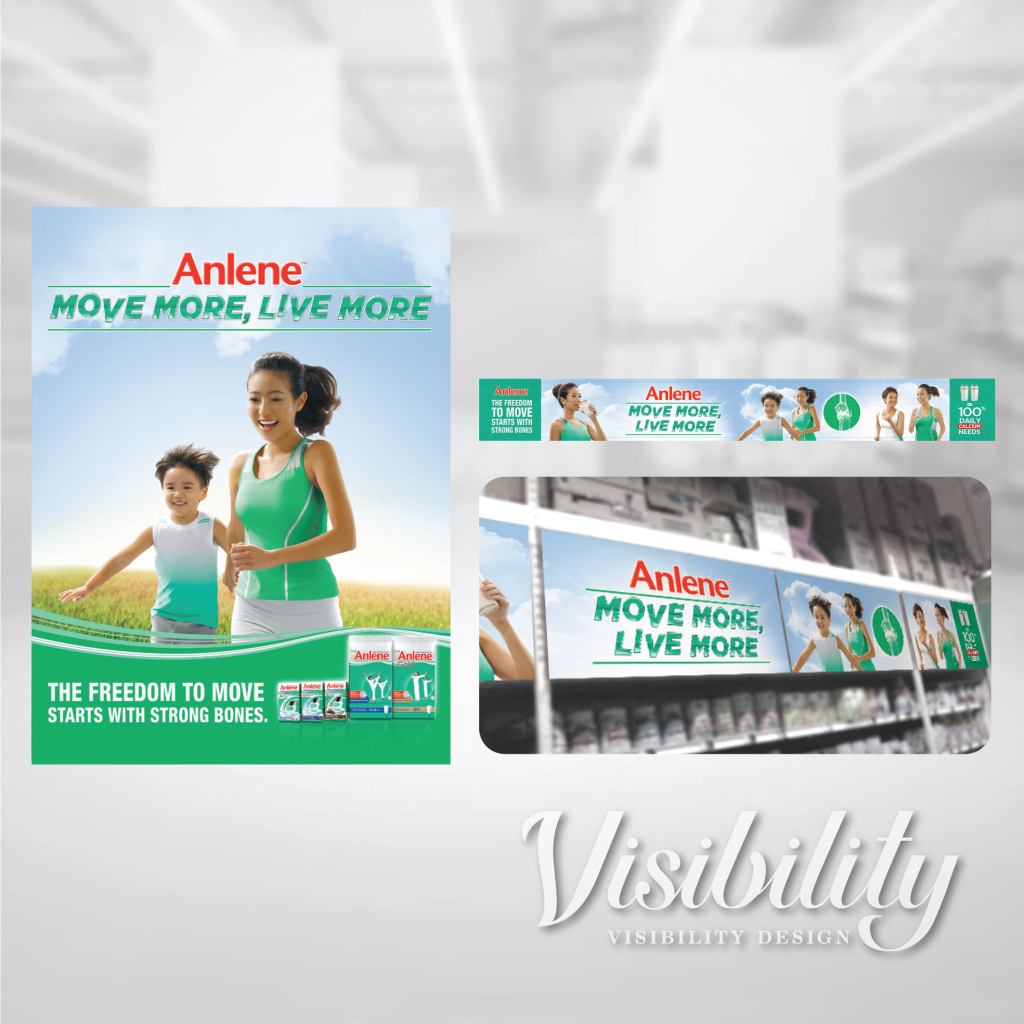
Case Study: Anlene

Anlene is an adult milk formula that can help with bone health. Traditionally, many milk companies have visuals to depict seniors using their products as they think that would appeal to their target market.

Old Anlene Ads
Traditional Milk Ads

Anlene has research that shows that people above 40 can benefit from their products. And by adapting their visuals to reflect this, Anlene can target a wider audience and reach out to a wider market.

Anlene Key Visual

With clear messaging on the benefits, this message “Move More, Live More” also appeals to seniors, making it more effective and allows multi-generational use of the product, while not forgetting about the seniors.

10) Address Concerns

Even though seniors may have more disposable income than others, they are very concerned about value when it comes to buying decisions.

As many of them are close to retiring or have retired, they need to know that they are not wasting money. Seniors often need a compelling message of “reasons why” to help them make that buying decision. 

When it comes to new products and services that they are unfamiliar with, they need to be assured that they can use the product. Demos, samples, and other hands-on means of getting them to try the products and services will be essential to address their concerns. 

11) Make it Familiar

People are drawn to familiar things. Since seniors grew up receiving advertisements and physical catalogs in the mail, it makes sense to market to them through this channel. For retail and shopper marketing, “take-one” boxes and other brochures where they can read at a later date are still relevant to them. 

Interested to find out more, please feel free to contact us for a no obligation chat. Send us an email at email@visibility.com.sg and leave your contact information and Visibility Design will get back to you as soon as we can.
Product Bundles

Many products have bundles, and these bundles can be:

1. Gift with purchase.

2. Products from the same brand. (Cross sell)

3. New Product launch and giving sample bundle with other sample products.

4. Bundle products that complement each other.

Why do companies have product bundles?

Bundles are product offer to entice customers for sales. Gift with purchase is a very common strategy to get customers to buy the products. There are also some common seasonal gifts which are given out, like giving out Ang Pow during Chinese New Year. At the beginning of the school year, companies also give out stationery to get moms to buy for their children. A hot beverage company may give away mugs with bundle purchases to sell more.

Some brands may have multiple types of products in different categories. Leveraging on bundle sales, they can increase sales and let their customers try their other perhaps less known category of products.

Companies that own multiple brands can use these bundles in a discount to allow their customers to try other brands that they sell, possibly getting more customers for one of their brands.

Brands launching new products can also give out samples for their existing customers to try the new products, and get feedback before they do an official launch of that product.

Good bundle examples.

Bundles are not as easy as it look. If the bundles do not have a good form factor, precious shelf space is wasted.

If bundles do not have a good packaging design — the gifts can be damaged or taken out without purchase.

If bundles are simple taped on — they will look awkward and become unwieldy to ship.

What else do you need even if you have a good bundle?

Even with a good bundle, you need a way to let people know about the bundle. Visual merchandising, POSM and other ways of marketing the bundle is key to success.

An example is the Milo Lion Project. This is a Lion Mask that kids can wear.

It does take a considerable amount of effort like most things to be successful. If you have any product bundle ideas or would need any help, please feel free to contact us at email@visibility.com.sg for a no obligation chat.

How do QR Codes help with your product sales?

QR Codes

Many companies are finding more creative ways to use QR Codes, because they are very versatile.

  • Cinemas use QR Codes on tickets to allow patrons to go in.
  • The government is using QR Codes for contact tracing.
  • People are using QR Codes on name cards to bring others to their LinkedIn profiles.
  • Companies are using QR Codes in trade shows on their banners to bring people to their webpage.
  • Finance companies are using QR codes for their payment gateway.
  • Brands are using QR codes of part of their scavenger hunt campaigns.
  • QR Codes are also used on coupons and promotions to display more information.

So why are QR Codes so popular?

With increased in smart phone usage and people getting more familiar with scanning it for the SafeEntry in Singapore, many Singaporeans can now interact with QR Codes. The awareness of how to use it has significantly increased in 2020.

Since launch, we have seen an average of 9 million daily check ins, with over 2.2 million unique users across 200,000 locations.” — GovTech, Sept 2020

What is Product Performance QR (PPQR)?

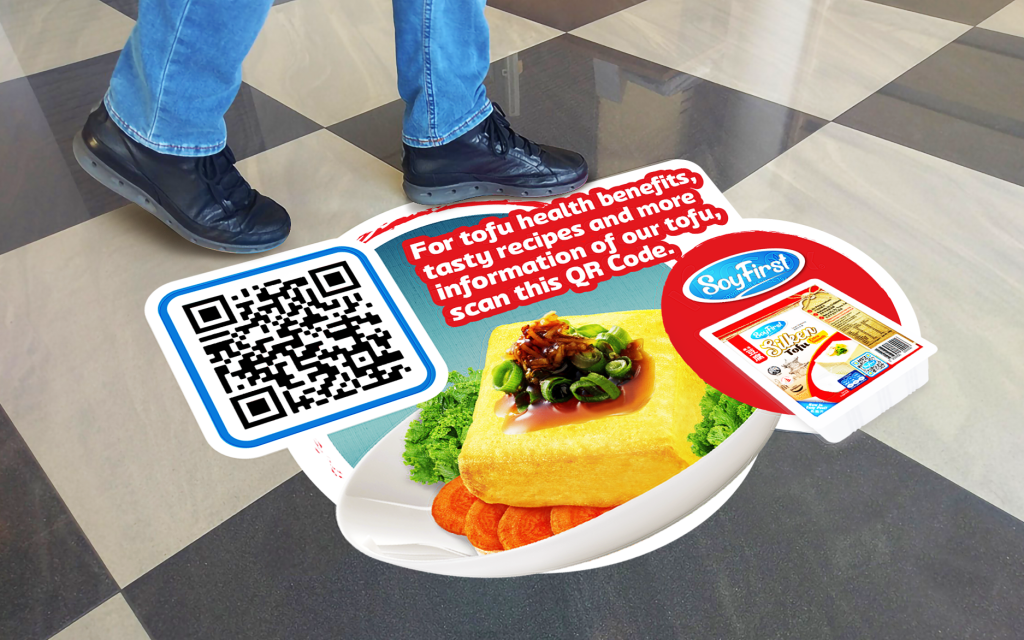
PPQR is a QR Code on your Visual Merchandising display, used to deliver critical information at retail stores — First Moment of Truth (FMOT).

How does PPQR work?

At the retail store, undecided consumers can be attracted to the strategically designed Visual Merchandising display and to facilitate decision making. Coupled with attractive incentive, it attracts consumers to access QR information.

The QR Code points consumers to a micro-site where essential information on the key product benefits, helping in decision making for the sale.


Sample customer journey (FMOT)

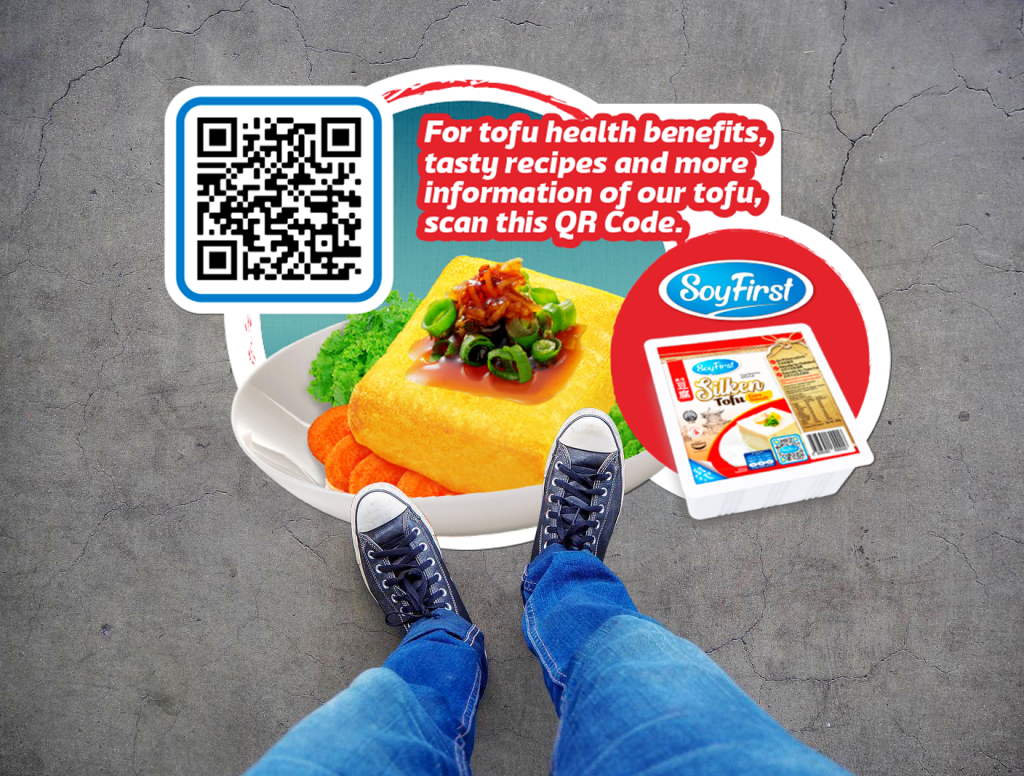
Ben walks into a supermarket and notices QR Codes on the floor at the tofu isle. As he was shopping for ingredients to make dinner, the graphics on the floor were enticing enough so he scanned the QR Codes.

“Hmmm, healthy recipes…”

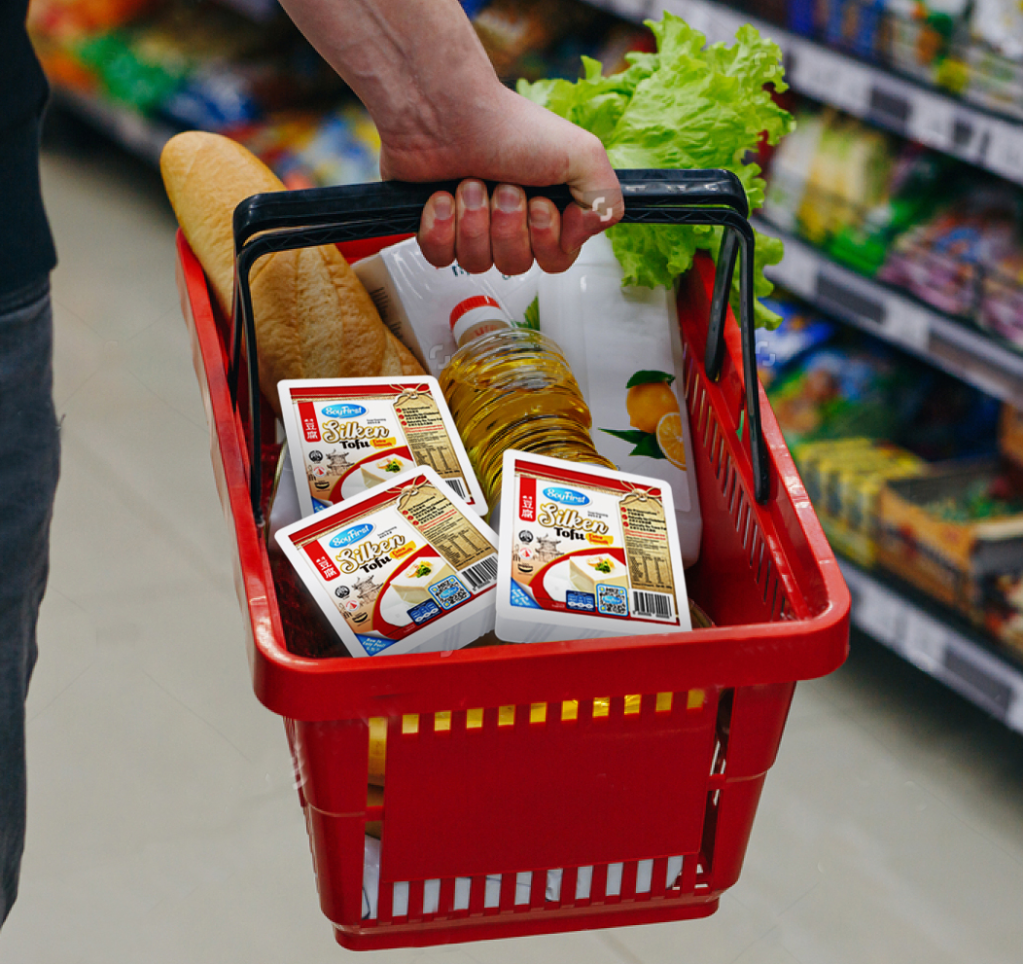
After scanning the QR Code, Ben was brought to the mobile optimized website, where he found tofu health benefits and interesting recipes for dinner. Looking at the ingredients, he found that he had most of the ingredients in his basket and proceeded to buy the health tofu as recommended by the website.

Ben made the purchase and went home to try the recipes.


Sample customer journey 2 (SMOT)

Sam went to the supermarket and came across the prominent QR codes on the floor.

She bought SoyFirst tofu a day ago and was curious to find out more about the tofu health benefits and recipes, and so she took out his phone and scanned the QR Code.

Surprised by some of the interesting tofu recipes, Sam shared the recipe to her Facebook account so that she could recall the recipe later. She continued shopping and bought other ingredients needed in one of the recipes that interested her.

When Sam reached home, she followed the recipe and cooked the dish. When she finish cooking, Sam tasted the tofu dish and loved it. She plated the dish nicely and took a photo of it and shared it on her Instagram account with the hashtag, #SoyFirstTofu.

Other PPQR Ideas

PPQR is very versatile, QR Code can also be used for other campaigns.

Recycling / CSR projects

PPQR can direct the consumer to their recycling CSR project. It is hard for customers to know more about such projects in a congested retail isle, but allowing customers to scan the QR code with a brief description to read more on their own leisure, allows them to engage the campaign.

Recycling campaign

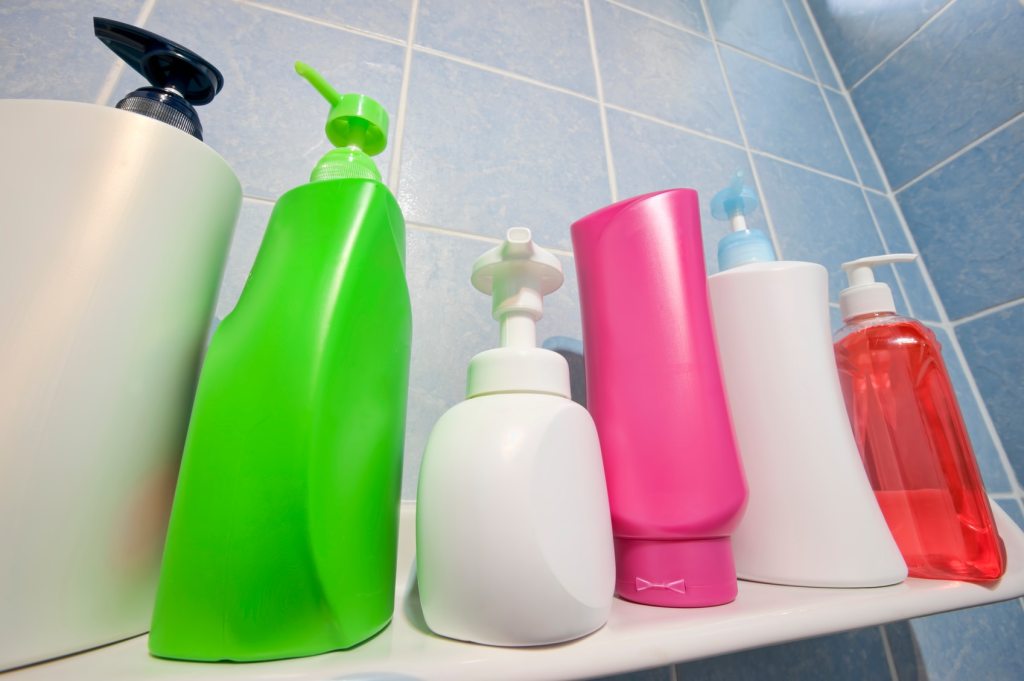
PPQR can share information (blogs, videos, infographics) on how to re-purpose used shampoo bottles into items like a cellphone holder, pencil holders, etc.

There can also be a campaign to get the consumers that buy the shampoo to bring their empty bottles to specific collection points. These bottles can then be used by special needs children or low income families through a handicraft workshop to be made into interesting and usable products for fund raising.

Lucky draws

PPQR can also be turned into a site to collect members’ data through a lucky draw. Customers key in their contact information for a chance to win a prize.

Games and contests

PPQR can also be used for games where customers can play and be engaged to share their score to win a prize. There can also be other forms of contests available to engage customers, bringing them from an offline site to online.

Possibilities are endless

With the right strategy and execution, PPQR can be applied to any campaign to enhance the execution, allowing the company to collect data for analysis.

To learn more about how PPQR can help your business, feel free to contact us at email@visibility.com.sg.

Visual Merchandising Challenges and New Technologies

Technologies are getting into retail spaces, supermarkets and many other stores, most of them come in different payment methods to encourage cashless payment, and for bigger stores, “self-checkout” is becoming a trend as well.


Buying decisions are getting made on the shelves. Retail point is one of the most critical part of the brand journey.

Digitisation has made consumers more discerning. They no longer buy a product because it is famous. They do their due diligence before making a purchase.

With more awareness on QR codes and increase mobile usage, there are a lot of opportunities is using this new technologies.

Product Performance QR Code (PPQR)

By adding QR codes on the shelves, floors and adding an incentive to get customers to scan the QR codes. When QR codes are introduced into the customer journey, this increase the number of touch points where the customers can view your brand and offering. It can also provide the final push to help customers make that critical buying decision in picking your brand.

How does PPQR help in your brand marketing?

PPQR helps in providing critical information to help customers understand the product benefits better. It is optimized to deliver information that convince consumers to make their purchase decision.

There are also analytics available, unlike traditional promoters in the stores where you have no visibility on the effectiveness of the campaign. With data and analytics, the information can be tracked and analyzed to enhance further performance.

Interested to find out more, please feel free to contact us for a no obligation chat. Send us an email at email@visibility.com.sg and leave your contact information and we can get back to you as soon as we can.

Up that take out Game.

With the current crisis, more people are working from home and more people are doing takeouts. Delivery services are getting popular at a time where the number of seats are getting limited due to social distancing restriction.
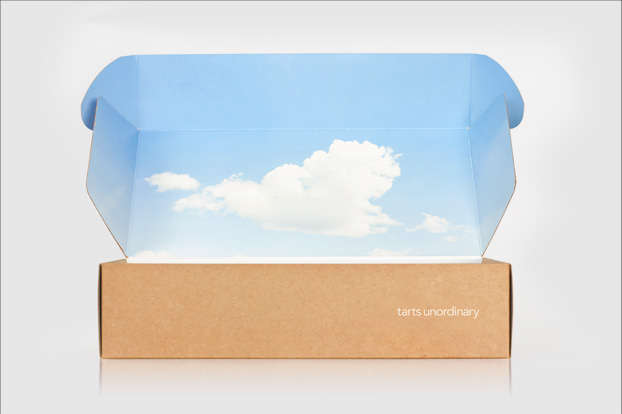
Some restaurants and cafes see this as bad news. Their costs are increased as delivery does take a big cut into their profits, and their business is having less sales despite the uptake in delivery. (For businesses in city area)
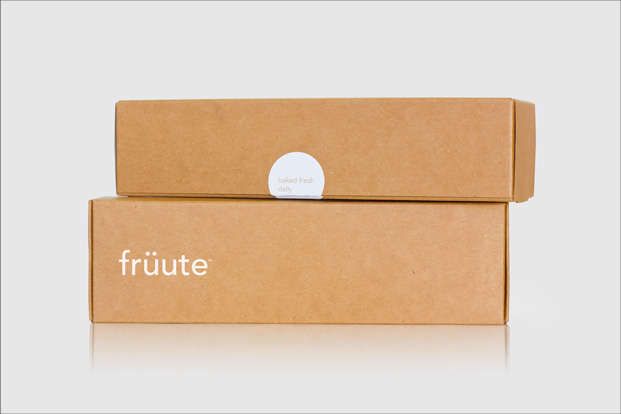
This has been more than 6 months since COVID-19 has spread throughout the world and with no vaccines in sight, along with the spreading of second wave in some countries, business need to adjust and not have the mindset of waiting for it to blow over.

Many companies who experienced less sales are now trying to get more attention by going online and partnering with other popular sites for services. Some have gone to social media and gave discounts and coupons to attract customers. These solutions do work, but they do cost money.

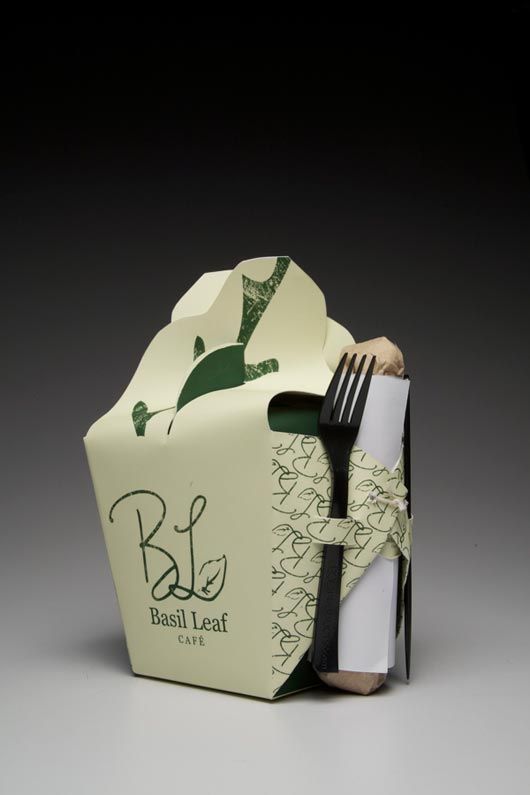
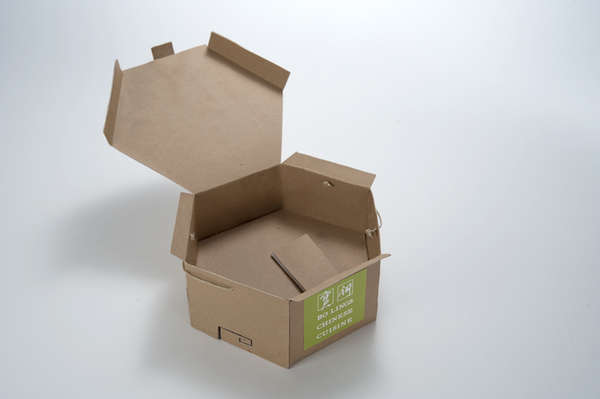
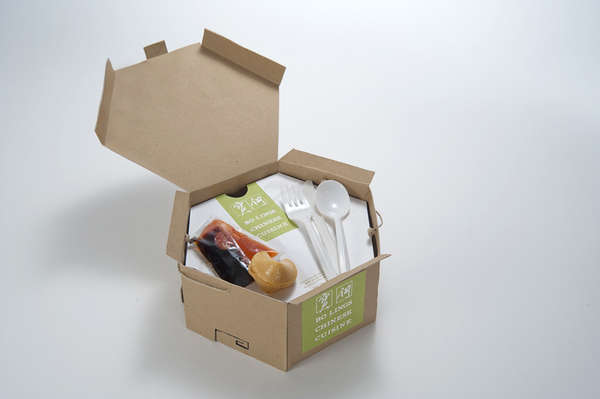
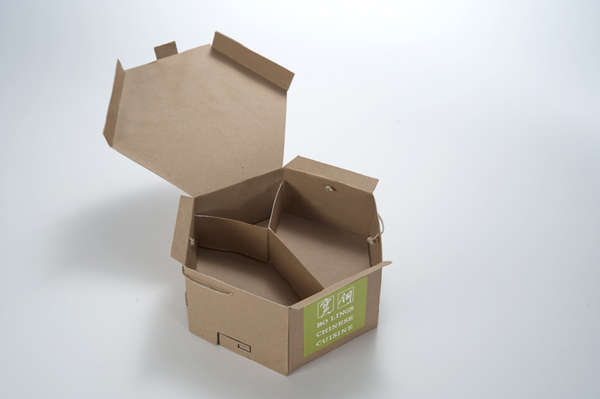
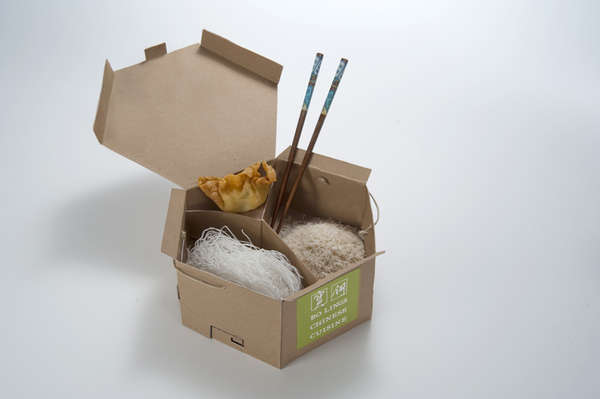
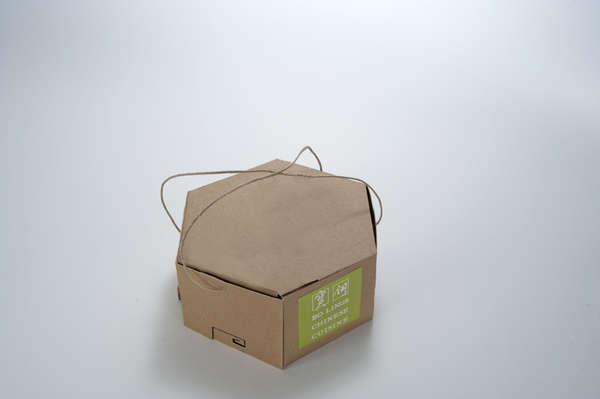
Recently, I’ve seen some takeaway solutions that simply have beautiful and functional packaging and it immediately caught my attention, so I’m here to share some of the nicer examples.

If your are paying so much for delivery fees, make sure the delivery attracts attention! When customers orders food for takeaway that comes in recycled cardboard which is simply beautiful, stackable and best of all, fully functional, they will come back. And looking absolutely stunning is a bonus to attract other customers.

Presentation is very important, and strangely, many top tier restaurants that spend so much in interior decorations, but when it comes to takeaway, they simply give a plain white box that you cannot differentiate with any other takeaways. (But they charge a premium)

Do you think it is time to look at improving your takeaway options to attract attention?

Give us a call to discuss.

Cafe Redesign for COVID-19

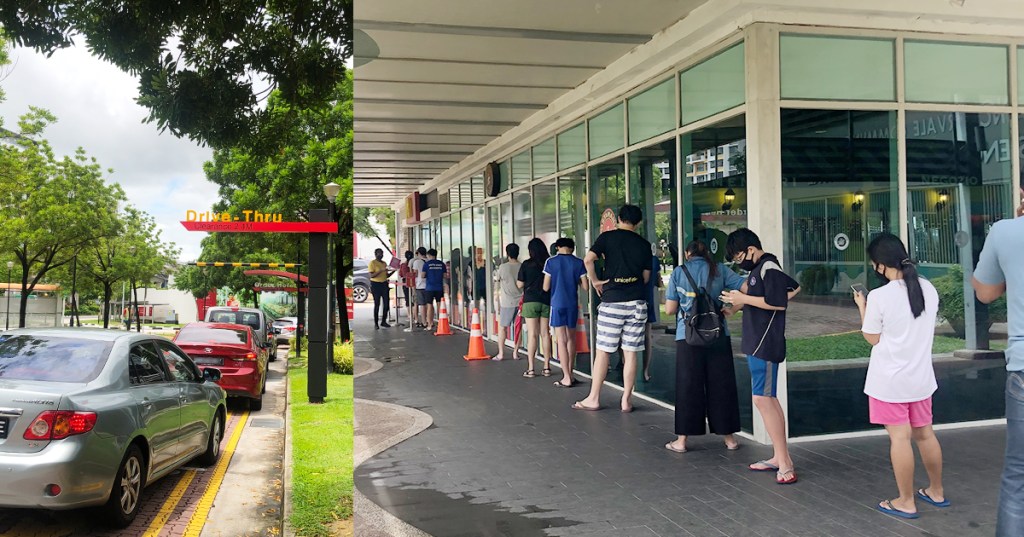
As the seating capacity of restaurants, coffee shops, food courts are getting reduced, long queues become a common scene.

For some of these venues, there is a QR code check-in and temperature taking at the entrance. And yes, all these procedures take extra time. I do believe that customers do not like the new arrangement, and no one likes to wait in queues, however, when I finally decided to eat out, I realized that there is no choice. The restaurants are packed to their new seating capacity and they cannot take in more.

New Restrictions

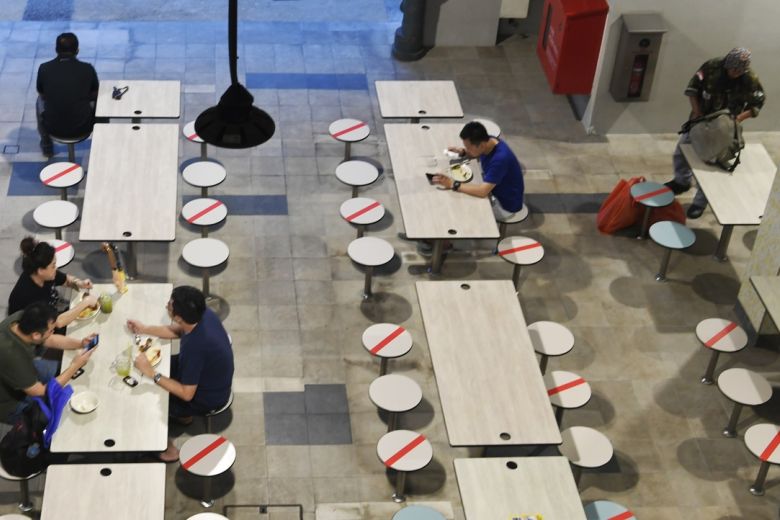
Restaurants need to follow social distancing guidelines, and a maximum of 5 guests per table. This new arrangement does create a situation where the reduced seating capacity causes the more popular restaurants and cafe to be very crowded.

Crowding outside restaurants and cafe can also get businesses into trouble as many of the crowds do not practice social distancing and potentially could spread the virus.

Business Pivots

Many businesses will need to leverage on social media and other digital means to reach customers. There will also be customers who will not visit the business due to the crowds. And with the reduced capacity, the business needs to find other ways to generate more income, which means they need to do more deliveries, takeaway or sell other products like their sauces or dumplings, etc.

I have seen other offerings like special wine pairing events that are pre-sold to their customers, and they can have the food and wine delivered to them, and watch the wine pairing live from their home to have the same experience as what the chef does in the restaurant.

There are many other interesting solutions that think out of the box to find ways to get their food to their customers in innovative ways. This is very challenging, but it is not impossible.

New Ways to Manage Queues.

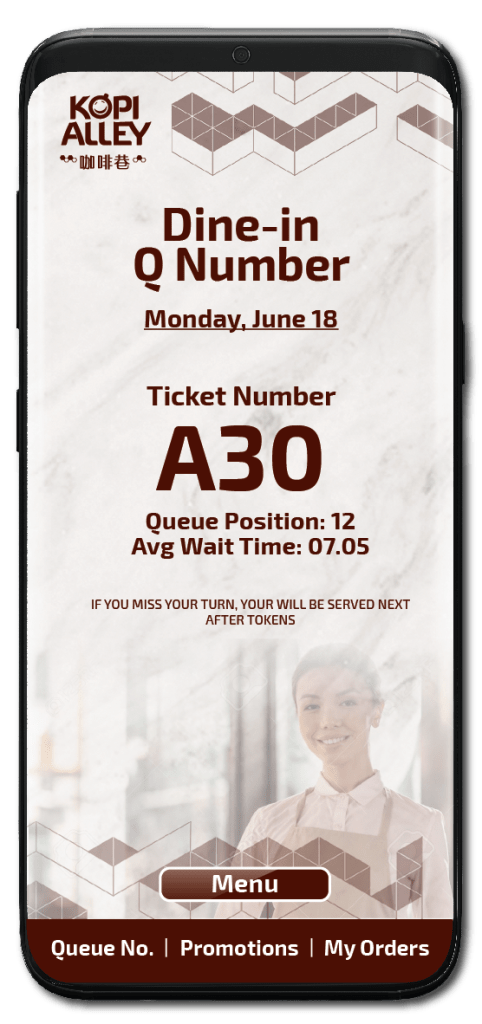
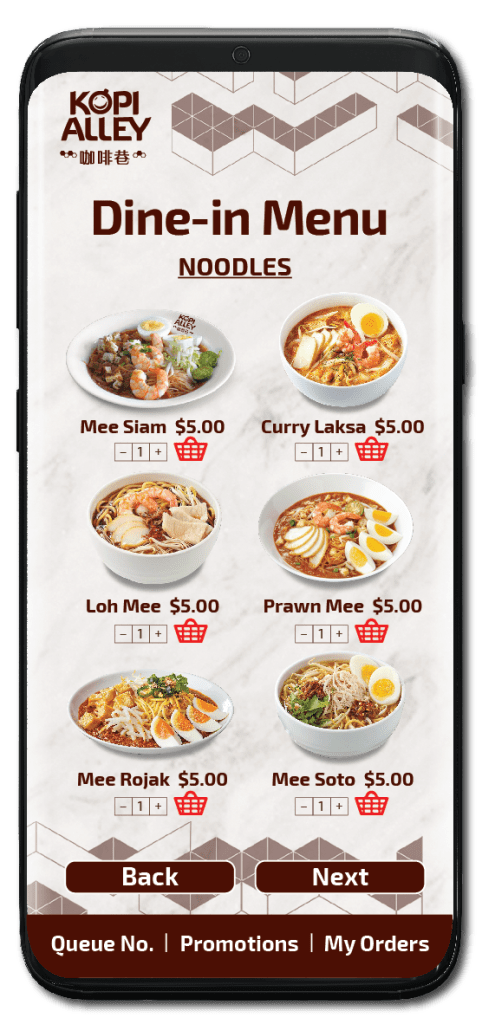
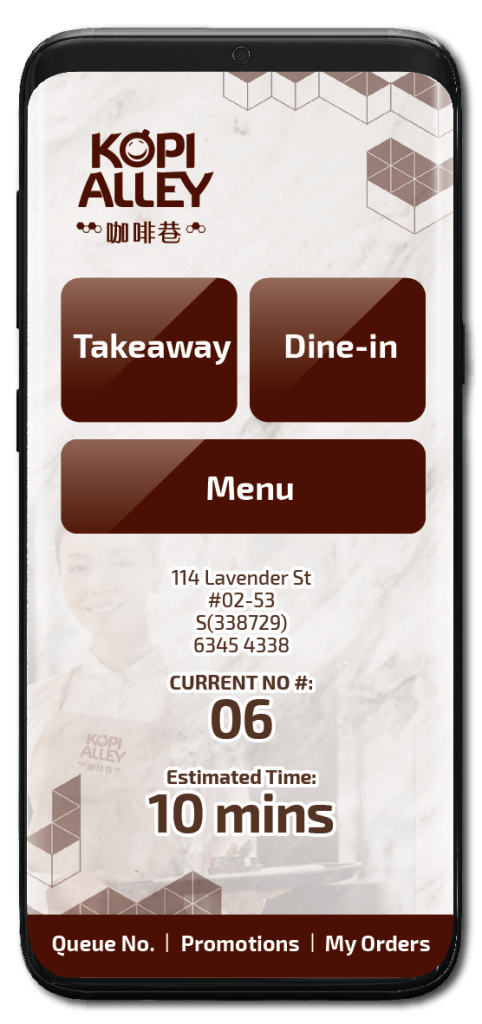
There are also other ways to manage queues. For customers not to crowd around outside the restaurant and view the menu, or queue to get a reservation, there are queue apps that are readily available.

A lot of them have different pricing structure, and as for Visibility Design, we decided that we can create one for all the restaurants and solve the queue solution for restaurants for a very low price.

This QR-Queue Management system does not need any systems integration or hardware. You simply just need to print a QR code and place it at your store.

The customer can scan the QR code to join the queue or browse the menu. They can even decide what to order, and choose their meals, and follow your normal ordering or takeaway process to complete the order.

Simple and intuitive.

Tough Times Ahead

Things may look bad now as the infections continue to be present in the community daily. But consumers are coming out to spend. We need to do our part and create solutions to make the experience better, so that the consumers can return and use our service.

In times like this, we need to innovate and move forward. There is a new normal and it will be here to stay, and things may not go back to the way it used to be. You have to embrace change.

With more businesses providing better service, and focus on technology to solve the problems, we will only emerge stronger when we weather through this crisis.

What is POSM – Point of Sales Marketing?

POSM (also called POPM or POP) stands for “Point of Sale Materials”. These are advertising materials that are used to communicate product information to the consumers at the point of sale.

POSM is part of visual merchandising or advertising campaign tool. There are many kinds of POSM’s used by brands for their promotions campaigns. These materials are used for promotions campaigns, exhibitions, and presentations and they attract consumer attention and promote the brand. Because of POSM appealing and informative nature, these materials are capable of encouraging purchases directly at the point of sale.

Types of POSM

There are no fix types, shapes & sizes of POSMs in the market however can be categorized basis their application in retail.

Posters: Posters are signage that is pasted on a flat vertical surface such as a wall. They generally come in the following sizes: Large (24” X 36”), Medium (18” X 24”), Small (11” X 17”), & A4.  Depending upon the quality/brand/theme & other classifications printing quality can be decided by companies.

Danglers: Danglers are hanging signage that is “dangled” from the ceiling of a retail store. At its simplest, a Dangler can just be rectangular piece of thick paper with SALE written on it. On the other end, it can be a 3-dimensional model of the product.

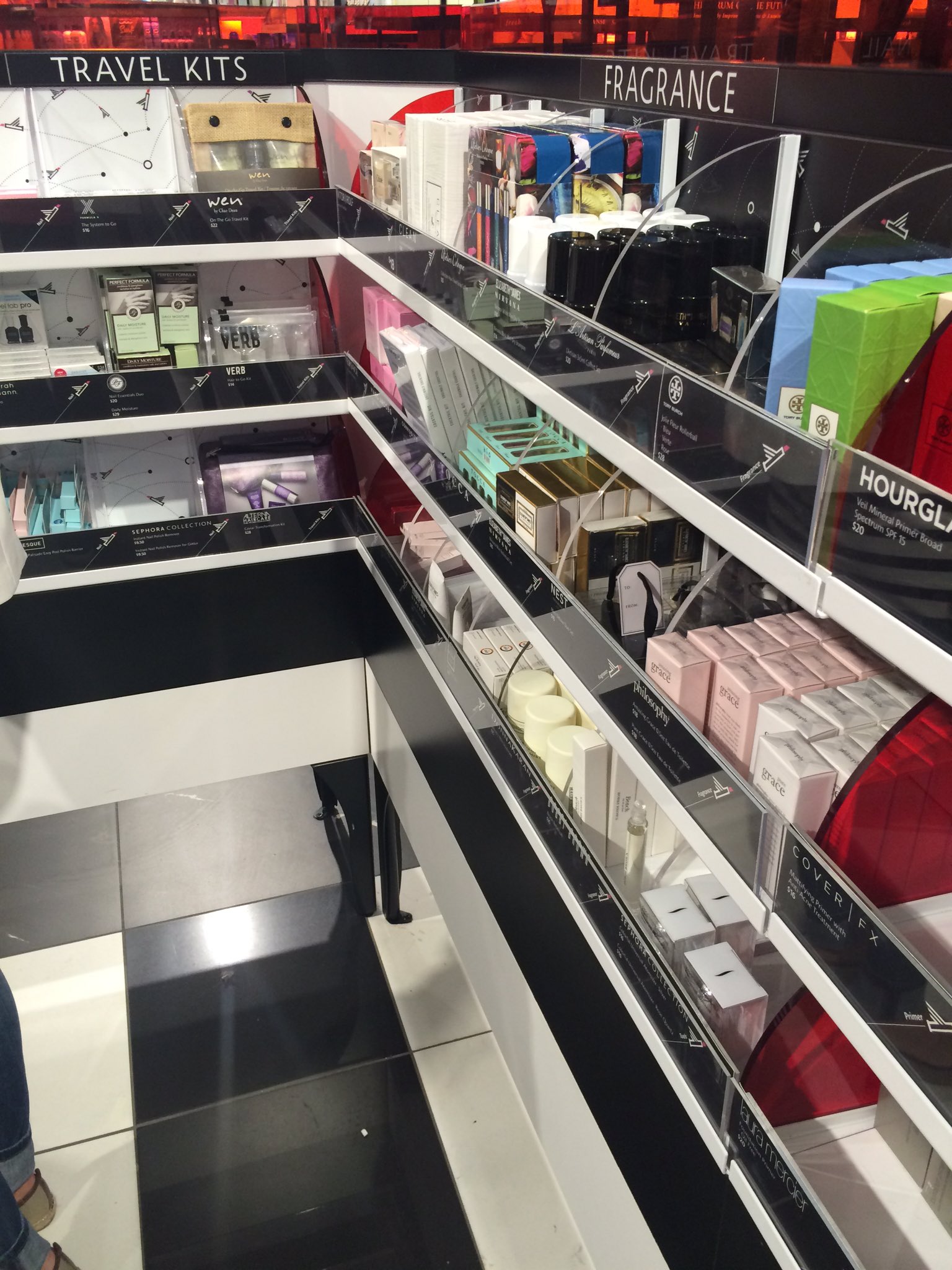
Shelf Fins: Shelf Fins are signage protruding out from the shelf, perpendicular to the shelf. It is simply a board dividing a shelves and highlighting products in the area as you walk down the isle.

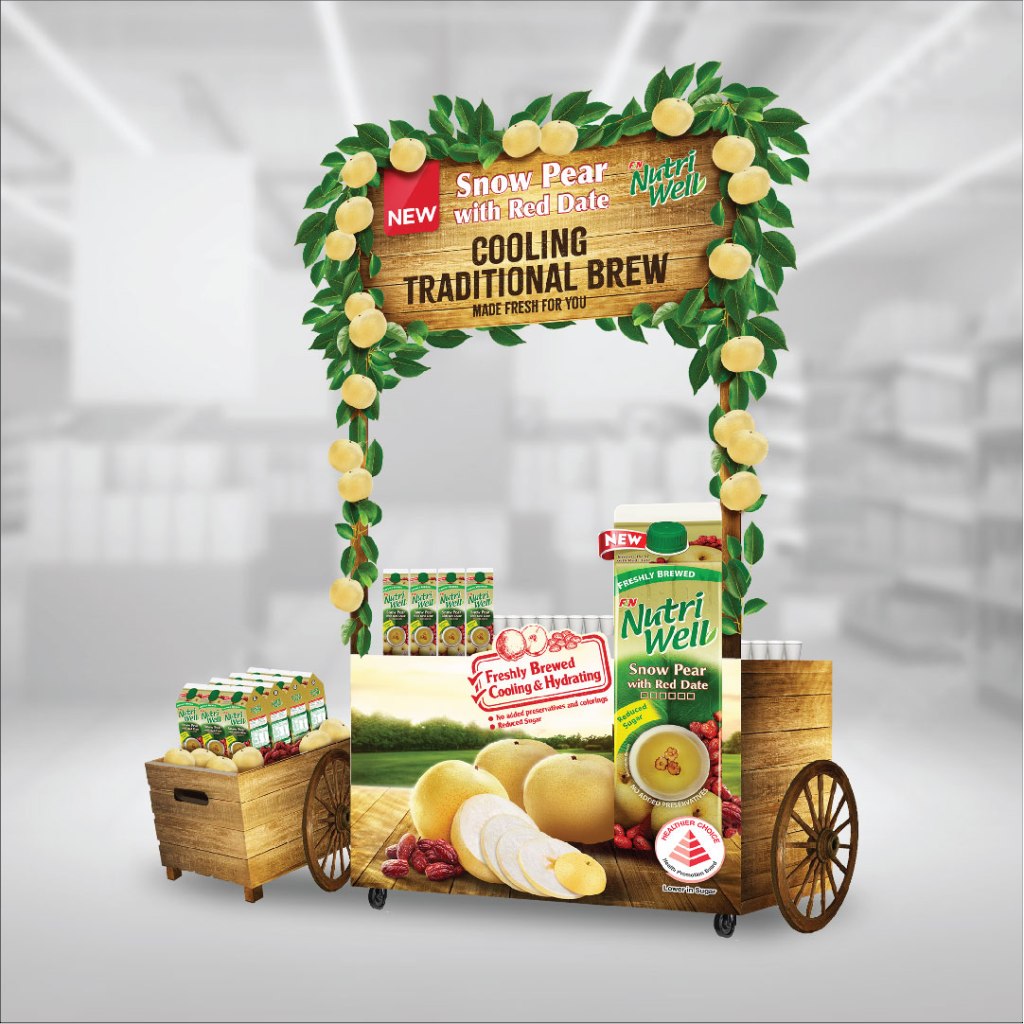
Standees: Standee is a self-standing display promoting a communication/campaign/scheme. It is generally placed outside of an outlet to grab attention of the passerby. Standees are of different types such as floor standee, rollup standee, cut out standee, canvas standee, MDF standee, LED Standee, 3D standee etc.

Bunting: Small stickers/flags/ribbons tagged together with thread in a sequence keeping uniform distance is known as bunting in POSM terminology. Bunting is usually a POSM  used on doors or windows.

Gondolas, Endcaps, Display Stands : (Described -> here <-)

Other PoSMs: Other major types of POSMs are stickers, wobblers, LED window displays, levitating units, acrylic highlighter displays, etc. All these material are used in promoting the communications for brands.

POSM Design

POSM works. Have you ever noticed products lining up the queues at the checkout counters? This is an effective way to garner additional sales. The customer has made the decision to buy something, which makes it more likely that they’ll be open to buying an additional item — as long as it’s relatively inexpensive.

Simple signs with price stating “Promotion” or “Sales” are also good ways to promoting sales. Placing these promotions near checkout can allow customers to reach out and grab the item as they are paying for their purchases.

Other tips are also shared at the various displays at sales counter to encourage last minute purchases, like discounts for items with any purchase, where the signs can be visibly displayed and the discounted items are behind the counters, readily available for customers who want to purchase them.

Conclusion

POSM is a great strategy to increase sales. When done well, it encourages customers to buy more by making the experience more positive. If information is readily available and the shopping experience is not hampered, POSM is simply another last touchpoint for customer to find out more information before deciding to make that purchase.

It is an important part of marketing which should not be overlooked.

Design a site like this with WordPress.com
Get started